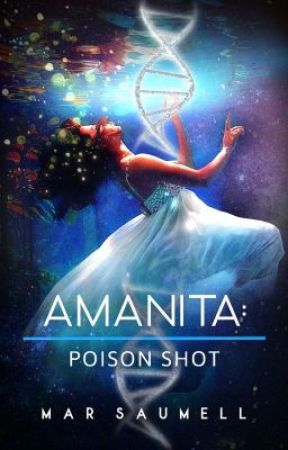
It's 2141. Clones have taken over as the dominant species. Using brain nanochips to surveil thoughts and actions, they have pushed traditional humans down to a status of low-class workers in a discriminatory dystopia.
A nineteen-year-old aspiring me...
Oops! This image does not follow our content guidelines. To continue publishing, please remove it or upload a different image.
Oops! This image does not follow our content guidelines. To continue publishing, please remove it or upload a different image.
2141
Friday, May 12
Medicine and ethics were no longer close friends. Playing God with medicine by creating human clones wasn't a sound course of action, but our ancestors didn't care as long as their despicable aims were fulfilled. The world was re-shaped into a lunatic's nightmare during the Prevalence War and afterwards, when medicine was weaponised. Now in 2141, all our voices, traditional human voices, were drowned below the surface of what was rightfully human.
All voices but one.
Mine.
But not just yet. That Friday in May I was still unsuspecting of what was to come. I was fidgeting while sitting in a waiting room in a clinic, just like everybody else around me. So boringly normal. At that time, I was just a young twig in the large forest of humanity. My green leaves, call them thoughts if you want, stood out for their immaturity.
Did I truly believe that we were criminals because clones had pushed us, traditional humans, to believe it so? I didn't dwell much on it, but I didn't think we were poisoned by crimes we hadn't committed ourselves. It wasn't fair to be tagged as criminals. Our voices deserved to be heard, but nobody cared.
I was sure the world would never change. That thought was perennial in me. Fortunately, as I'm writing this story from the future, I can assure you that things have changed. For a dear price, though.
That was why that sunny Friday in May I was sitting in the waiting room of the BioSolutions Centre of my city, the new capital of the world after the war, Thalis. Because that day was the compulsory annual medical check-up for the damned – or the traditional humans who lived in the most poverty-stricken neighbourhood in Thalis, the Dam. My family and my neighbours were all there, sitting all around me, Daphne Peneus, in that clinic.
Going through my annual check-up had always made me feel revulsion and fear. After the war, there were debts that we had inherited from our ancestors. They were to be paid in servitude and blood to the clones, the ruling elite, because we had lost the war and our dignity on account of the crimes they had committed. That was our legacy.